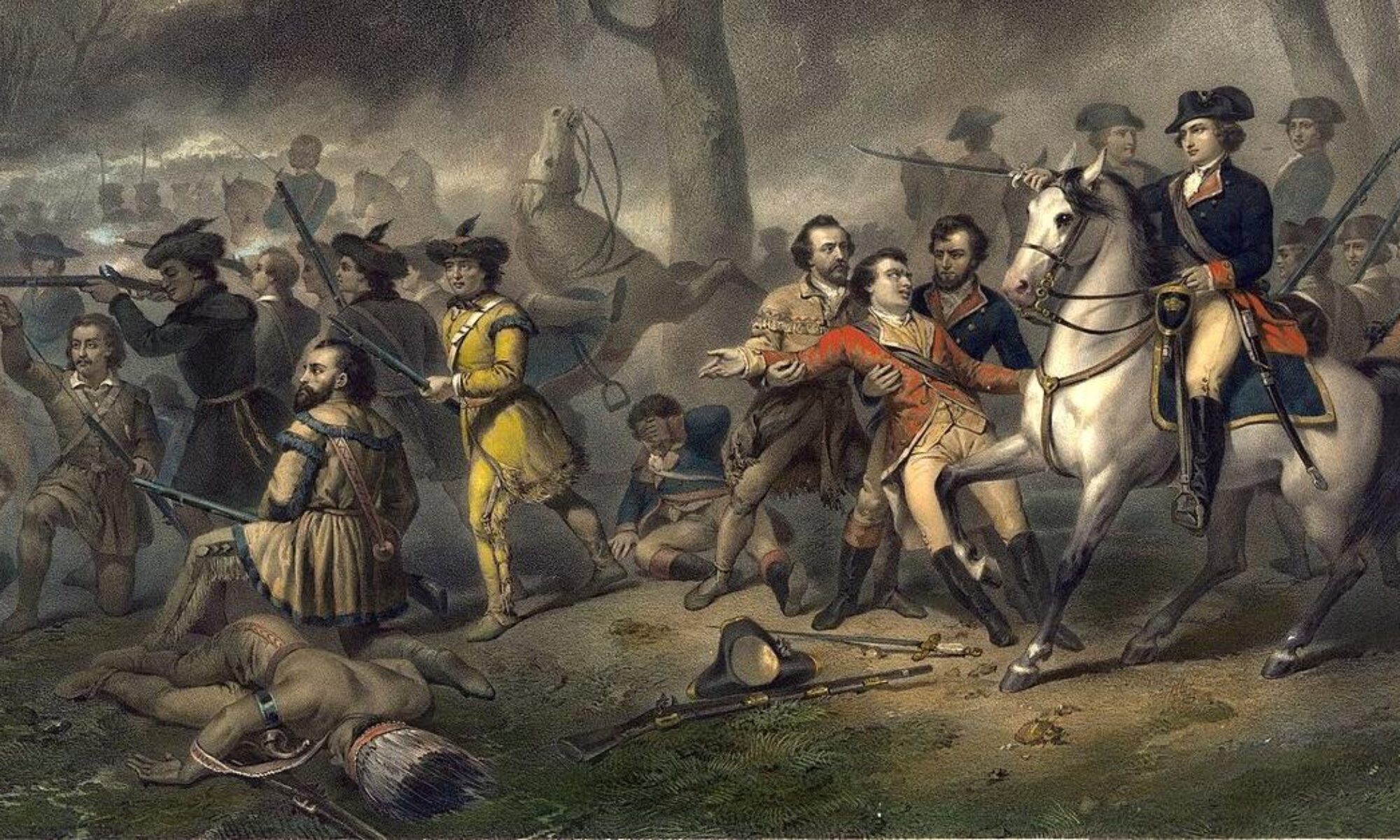
The French and Indian War (1754-1760) was a critical piece of the conflict between Britain and France for control of North America. Traditional studies emphasize military strategies and the shift of alliances, whereas this study argues that smallpox was the deciding factor in Britain’s victory. Smallpox affected different Native American tribes as many of them had created alliances with the French. The French had great success in the Ohio River Valley, with a heavy reliance on Native American military support, as well as their experience with the land. Despite that, the repercussions of the Battle of Fort William Henry (1757), where smallpox made its way back to Native tribes, marked the beginning of the end of diplomatic relations between the Natives and the French. The Treaty of Easton (1758) was a shift for the war, as Native tribes fed up with the smallpox they believed came from the French, shifted their allegiance to the British. Fueled by the collapse of the Native and French alliances, the British army excelled militarily. By examining the works of historians and primary sources from the time, this paper argues that smallpox was the critical factor in Britain’s victory in the French and Indian War.
Invisible Scourge
Smallpox and the French and Indian War